
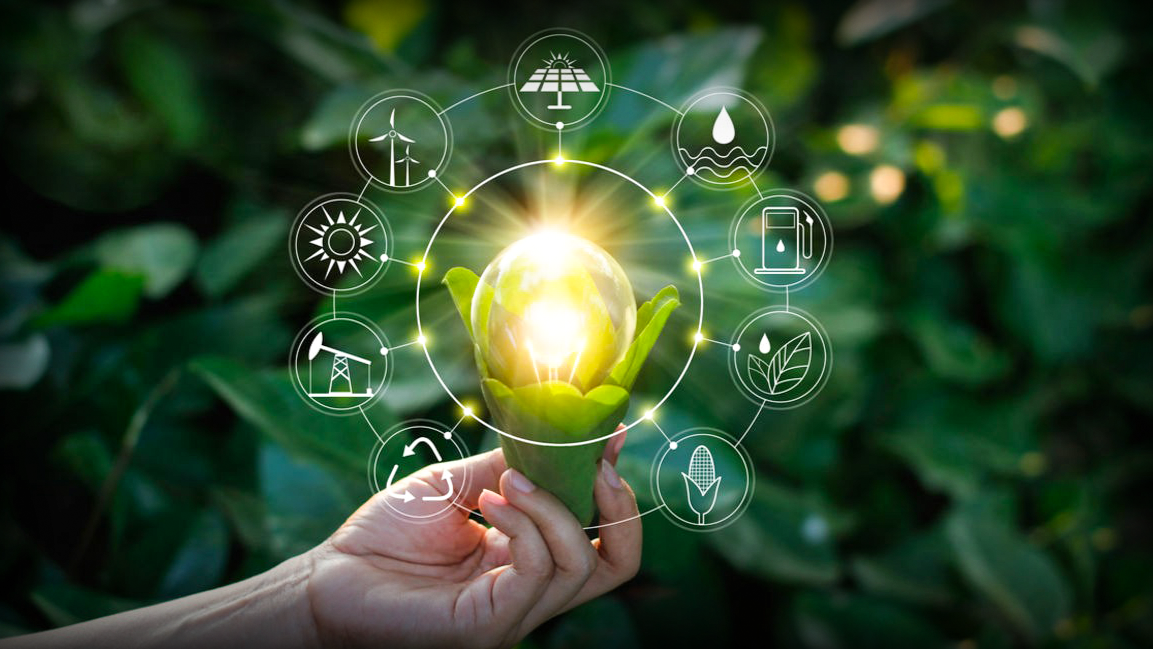
As we edge closer to 2026, the world is witnessing an unprecedented surge in green technology—a movement that’s not just about reducing carbon footprints but reimagining how we live, work, and thrive on a finite planet. Driven by urgent climate imperatives and breakthroughs in innovation, green tech is evolving from niche experiments to mainstream necessities. From smarter energy grids to bio-based materials, these advancements promise a more resilient future. In this article, we’ll explore the rising tide of sustainable innovations set to dominate 2026, their potential impacts, and what they mean for everyday life.
Why Green Tech is Poised for Explosive Growth in 2026
The momentum behind green tech isn’t accidental. Global policies, like the push for net-zero emissions, combined with plummeting costs in renewables, are fueling this boom. According to forecasts, the green technology and sustainability market is on track for significant expansion through 2033, spurred by consumer demand for eco-friendly solutions. By 2026, renewable energy sources are expected to surpass coal as the world’s leading electricity generator, a milestone that underscores the shift toward cleaner power. This isn’t just hype; it’s a data-driven revolution, with over 2,180 startups already innovating in climate tech alone. As cities race to become “green hubs,” we’re on the cusp of a year where sustainability isn’t optional—it’s embedded in everything from your smartphone to urban infrastructure.
Key Innovations Shaping Green Tech in 2026
2026 will spotlight a constellation of technologies that blend efficiency, intelligence, and circularity. Here’s a deep dive into the frontrunners.
Renewable Energy Breakthroughs: Powering the Planet Sustainably
At the heart of green tech’s rise are advancements in renewables that make clean energy more accessible and scalable.
- Energy Storage Revolutions: Long plagued by intermittency, solar and wind are getting a boost from next-gen batteries. Solid-state and flow batteries will enable gigawatt-scale storage, ensuring 24/7 clean power. This could slash reliance on fossil fuels by optimizing grid stability.
- Green Hydrogen’s Global Ascendancy: Once a pipe dream, green hydrogen—produced via electrolysis using renewable electricity—is going mainstream. By 2026, expect widespread adoption in heavy industry and transport, with production costs dropping below $2 per kilogram in key markets.
- Offshore Wind and Advanced Solar: Floating wind farms in deeper waters will unlock vast ocean energy potential, while perovskite solar cells promise efficiencies over 30%, making rooftop panels cheaper and more potent than ever.
These aren’t distant prospects; they’re scaling now, with renewables projected to add over 500 gigawatts of capacity annually by 2026.
Smart Tech and AI: The Brains Behind Sustainable Systems
Intelligence is the secret sauce turning green tech from passive to proactive.
- AI-Driven Resource Optimization: Artificial intelligence will monitor environmental impacts in real-time using IoT sensors and satellite data, predicting risks like droughts or floods. In supply chains, AI could cut emissions by 20% through smarter routing and waste reduction.
- Energy-Efficient Data Centers: As AI’s energy hunger grows, “green data centers” with liquid cooling and renewable integration will become standard, addressing tech’s own carbon footprint.
- Smart Grids and Home Ecosystems: Imagine homes as self-sustaining nodes: solar panels paired with AI-managed batteries that sell excess power back to the grid. By 2026, these systems could make urban living 40% more energy-efficient.
This fusion of AI and green tech isn’t just efficient—it’s transformative, enabling predictive sustainability at scale.
Green Building and Circular Materials: Redesigning Our Built World
Construction, a notorious emissions culprit, is getting a sustainable makeover.
- Eco-Materials Boom: Biodegradable composites from algae or mycelium will replace traditional concrete, reducing the sector’s 8% share of global CO2. The green building materials market is exploding, driven by innovations like self-healing facades.
- Smart Cities as Green Hubs: Urban planners are integrating vertical farms, EV charging webs, and recycled-water systems. By 2026, more cities will emulate Singapore’s model, blending IoT for traffic that minimizes idling emissions.
These shifts promise not just greener buildings but resilient communities that adapt to climate whims.
Navigating Challenges: The Roadblocks to a Greener 2026
No revolution is without hurdles. Green tech’s rapid rise is birthing new issues, like the surge in e-waste from EV batteries—projected to hit 900,000 tonnes by 2040, much of it battery-driven. Supply chain bottlenecks for rare earths and the digital divide in accessing these techs could exacerbate inequalities. Yet, solutions are emerging: circular economy models for battery recycling and equitable policies to democratize access. By addressing these proactively, 2026 can mark a turning point where green tech truly benefits all.
The Future Outlook: What 2026 Holds for Green Tech Enthusiasts
Looking ahead, 2026 heralds an “era of abundance” in environmental sustainability, per expert predictions, with tech enabling regenerative practices over mere reduction. Conferences like the IEEE GreenTech and Climate Tech Summit will spotlight these shifts, while lists of top GreenTech companies highlight trailblazers. For consumers, this means affordable EVs, carbon-tracking apps, and homes that “think green.” The big win? A world where innovation doesn’t just mitigate harm—it actively restores our planet.
FAQs
What is green tech, and why does it matter for 2026?
Green tech encompasses technologies designed to minimize environmental impact, from renewables to waste-reducing AI. In 2026, it matters because renewables will dominate global power, slashing emissions and fostering economic growth through jobs in clean energy.
Which green tech innovation should I watch in 2026?
Keep an eye on green hydrogen—it’s set for global expansion, powering everything from ships to steel mills with zero-emission potential.
How can individuals adopt green tech in daily life?
Start small: Install smart thermostats for energy savings, switch to solar chargers, or use apps that track your carbon footprint. By 2026, these will integrate seamlessly into homes.
Are there any downsides to the rise of green tech?
Yes, like increased mining for battery materials leading to e-waste. But recycling tech and ethical sourcing are ramping up to counter this.
When will green tech become affordable for everyone?
Affordability is accelerating—solar costs have dropped 89% in a decade, and by 2026, subsidies and scale will make most innovations accessible to middle-income households.