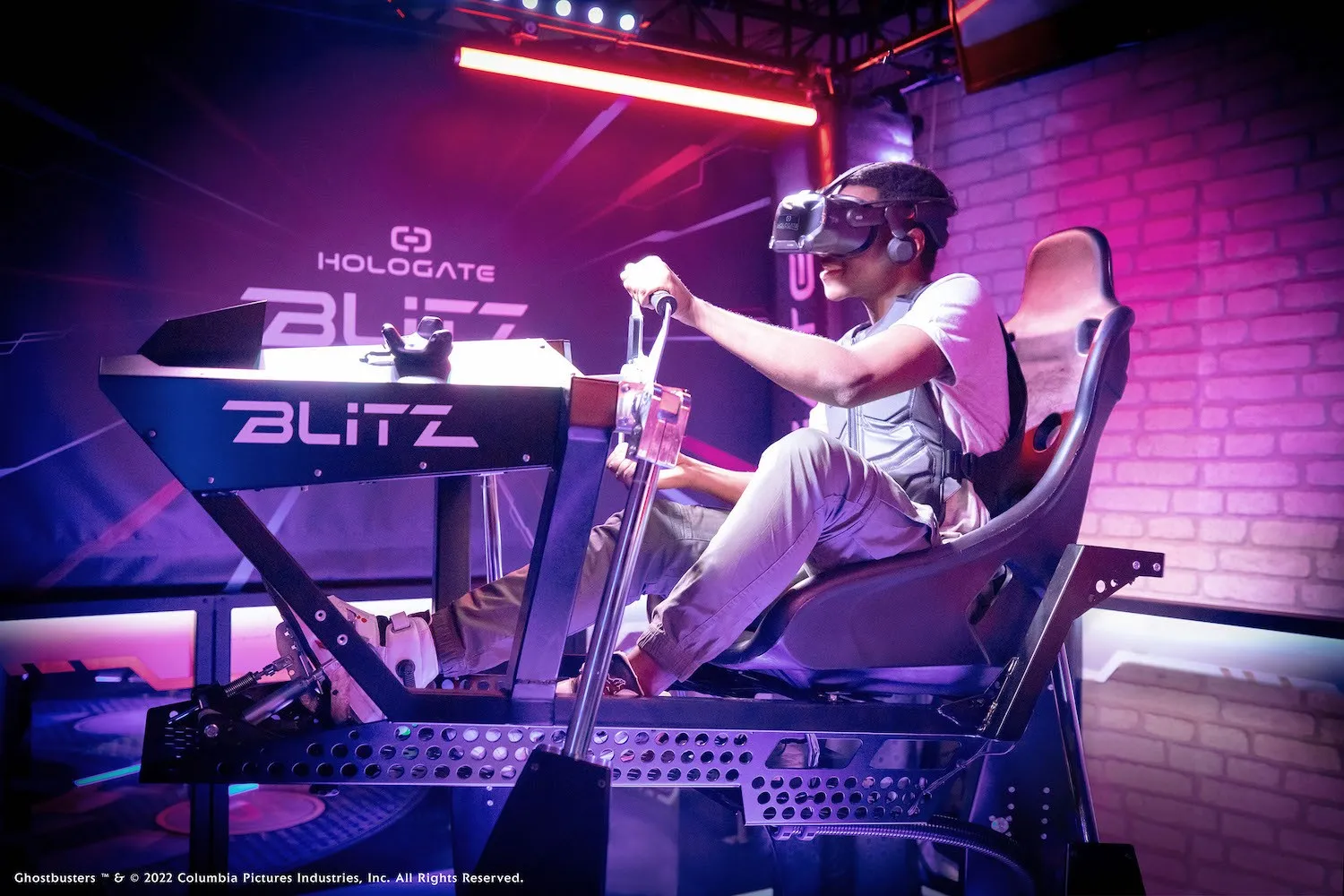
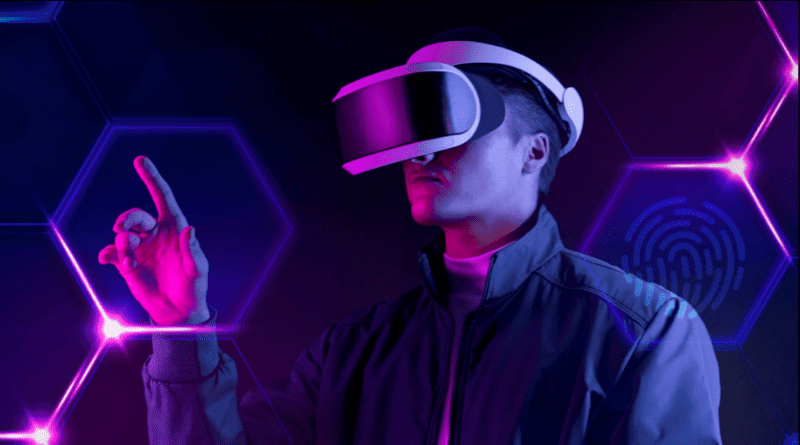
In a world where the line between pixels and presence blurs more each day, the metaverse isn’t just a buzzword—it’s a seismic shift. Imagine attending a concert with thousands across the globe, all avatars dancing under virtual stars, or collaborating on a project in a shared digital office that feels as real as your own desk. As we hit 2025, digital trends powered by the metaverse are no longer futuristic fantasies; they’re actively rewriting how we work, connect, and create. From AI-driven worlds to booming virtual economies, this “metaverse effect” is reshaping reality in profound ways. But with great innovation comes great questions: Is this utopia or dystopia in the making? Let’s dive in.
Understanding the Metaverse
The metaverse represents a collective virtual shared space, created by the convergence of virtually enhanced physical reality and physically persistent virtual reality. It’s not a single platform but an ecosystem where users can interact, build, and transact in immersive environments. Coined by Neal Stephenson in his 1992 novel Snow Crash, the concept has evolved from sci-fi to silicon, thanks to tech giants like Meta and Microsoft pouring billions into its development.
From Concept to Reality
What started as clunky VR headsets in the early 2010s has exploded into a multi-billion-dollar industry. By 2025, the global metaverse market is projected to reach US$103.6 billion, growing at a staggering compound annual growth rate (CAGR) of 37.43% through 2030. This surge is fueled by post-pandemic demands for digital connection, with adoption accelerating in regions like Southeast Asia, where the market is expected to expand at a 40% CAGR from 2025 to 2033. No longer confined to gaming, the metaverse now touches industries from manufacturing to marketing, proving its staying power despite early hype dips.
Core Technologies Powering It
At its heart, the metaverse relies on a trifecta of tech: immersive hardware like VR/AR devices, blockchain for secure ownership, and AI for intelligent interactions. These aren’t isolated; they’re intertwined, creating worlds that adapt in real-time to user behavior.
Key Digital Trends in 2025
2025 marks a pivotal year for the metaverse, with trends emphasizing accessibility, intelligence, and integration. Forget the metaverse as a niche escape—it’s becoming the backbone of everyday digital life.
AI Integration: Smarter Worlds
Artificial intelligence is the secret sauce making virtual spaces feel alive. In 2025, AI-powered metaverses leverage edge computing and cloud tech for seamless, multi-user experiences, from personalized avatars that learn your quirks to generative environments that evolve on the fly. This isn’t just enhancement; it’s redefinition, with AI enabling hyper-realistic NPCs (non-player characters) in games and virtual assistants in professional simulations. Gaming, in particular, sees AI driving multiplayer metaverse integrations, where adaptive storytelling keeps players hooked for hours.
AR/VR Advancements: Blending Worlds
Augmented and virtual reality are bridging the gap between physical and digital like never before. The industrial metaverse, for instance, uses AR for on-site training and digital twins—virtual replicas of real assets—for predictive maintenance, slashing downtime in factories. Consumer-side, lighter AR glasses are making metaverse access as easy as slipping on sunglasses, fueling trends in virtual fashion and social AR filters that overlay digital couture on your real-world selfies.
Blockchain and Web3: Ownership in the Ether
Decentralized tech ensures users truly own their digital assets via NFTs and cryptocurrencies. This trend is exploding in virtual real estate and economies, with metaverse startups leading the charge toward a projected market size of USD 6,240.70 billion by 2035 at a 45.3% CAGR. It’s not just about buying virtual land; it’s democratizing creativity, letting artists monetize metaverse creations without middlemen.
Reshaping Social and Economic Landscapes
The metaverse isn’t reshaping reality in abstract ways—it’s transforming the tangible threads of our lives.
Virtual Economies: New Frontiers of Wealth
Digital currencies and NFT marketplaces are birthing economies parallel to our own. In 2025, virtual goods trading is booming, with brands like Nike and Gucci hosting metaverse storefronts where a pair of digital sneakers can fetch real dollars. This shift is empowering creators, but it’s also challenging traditional finance, as metaverse transactions could soon rival e-commerce giants.
Remote Work and Collaboration: Offices Without Walls
Post-2020, virtual workspaces have gone from necessity to norm. Tools like Microsoft’s Mesh enable teams to brainstorm in 3D spaces, boosting productivity by 20-30% in some studies. For global companies, this means borderless collaboration, but it also raises the bar for work-life balance in always-on digital realms.
Entertainment Revolution: Beyond the Screen
Gaming and social platforms are converging into metaverse hubs. Expect AI-curated concerts, interactive films, and social VR hangouts that feel more intimate than Zoom calls. With multiplayer metaverses dominating 2025 game trends, entertainment isn’t passive—it’s participatory, fostering communities that spill into real-world activism and culture.
Challenges on the Horizon
For all its promise, the metaverse effect casts long shadows. As we lean into these digital trends, we must confront the risks head-on.
Privacy Concerns: Who Owns Your Avatar?
In immersive worlds, data is the new oil. Biometric scans for VR logins and behavioral tracking for personalized ads mean your virtual self could reveal more than you’d like. Regulations lag behind innovation, leaving users vulnerable to breaches that echo in the physical world.
Accessibility Issues: Not Everyone’s Invited
The digital divide persists: High-end hardware costs and bandwidth needs exclude billions, particularly in developing regions. While Southeast Asia surges ahead, global equity remains a hurdle, risking a metaverse for the elite only.
Health Implications: Mind Over Matter
Extended VR sessions bring motion sickness, eye strain, and social isolation risks. Mental health experts warn of “reality dissociation,” where virtual highs make real life pale. Balancing immersion with well-being is the next big trend to tackle.
Looking Ahead: The Metaverse in 2030 and Beyond
By 2030, the metaverse could be as ubiquitous as smartphones, with AR overlays on daily life and AI governance ensuring fair play. Advertising evolves too, with Meta’s 2025 integrations blending sponsored content into virtual experiences seamlessly. Yet, its true legacy? A reminder that technology amplifies humanity—our creativity, connections, and cautions. As we step deeper into this blended reality, the question isn’t if the metaverse will change us, but how we’ll shape it back.
Frequently Asked Questions (FAQs)
What exactly is the metaverse?
The metaverse is an interconnected network of virtual worlds where users interact via avatars, blending VR, AR, and social platforms for immersive experiences beyond traditional apps.
Is the metaverse still relevant in 2025?
Absolutely—far from fading, it’s thriving with a market value hitting US$103.6 billion this year, driven by AI, gaming, and industrial applications.
How is AI changing the metaverse?
AI makes it smarter and more responsive, powering real-time adaptations, personalized content, and efficient multi-user environments through edge computing.
What are the biggest challenges facing the metaverse?
Key issues include privacy risks from data collection, the digital divide limiting access, and potential mental health effects from prolonged immersion.
Will the metaverse replace real life?
Not likely—it’ll enhance it, like how social media did for communication. Think augmentation over substitution, reshaping work and play without erasing the physical world.