In a world where a quick scroll through your phone can transport you to a virtual concert or let you try on clothes from halfway across the globe, the boundaries between what’s real and what’s digital are fading faster than ever. As we hit 2025, immersive experiences—powered by virtual reality (VR), augmented reality (AR), the metaverse, and artificial intelligence (AI)—aren’t just novelties; they’re reshaping how we learn, work, play, and connect. The global market for these technologies has ballooned to $493.5 billion this year, signaling a seismic shift in our daily lives. But what happens when the digital feels more vivid than the tangible? Let’s dive into the trends blurring these lines and explore what it means for our future.
Introduction to the Blurring Lines
Imagine slipping on a pair of AR glasses and seeing your living room transform into an ancient Roman forum, complete with holographic gladiators debating philosophy. Or logging into a metaverse workspace where your AI avatar collaborates seamlessly with global teams, haptic gloves relaying the “feel” of a virtual handshake. These aren’t sci-fi fantasies—they’re the reality of 2025, where immersive tech stimulates our senses so convincingly that the digital and physical worlds merge.
This blurring isn’t accidental. Driven by exponential advances in hardware, software, and connectivity, immersive experiences are moving from niche gadgets to everyday tools. From enterprise training simulations that cut prototyping time from weeks to days, to consumer apps that let you “taste” virtual food with 70% accuracy, the tech is infiltrating every corner of society. Yet, as exciting as this sounds, it raises profound questions: Are we enhancing reality or escaping it? In the sections ahead, we’ll unpack the key trends fueling this fusion.
Key Digital Trends Shaping Immersion in 2025
2025 is a banner year for digital immersion, with innovations making these experiences more accessible, interactive, and indistinguishable from the real thing. Here’s a breakdown of the biggest drivers.
The Rise of VR and AR Technologies
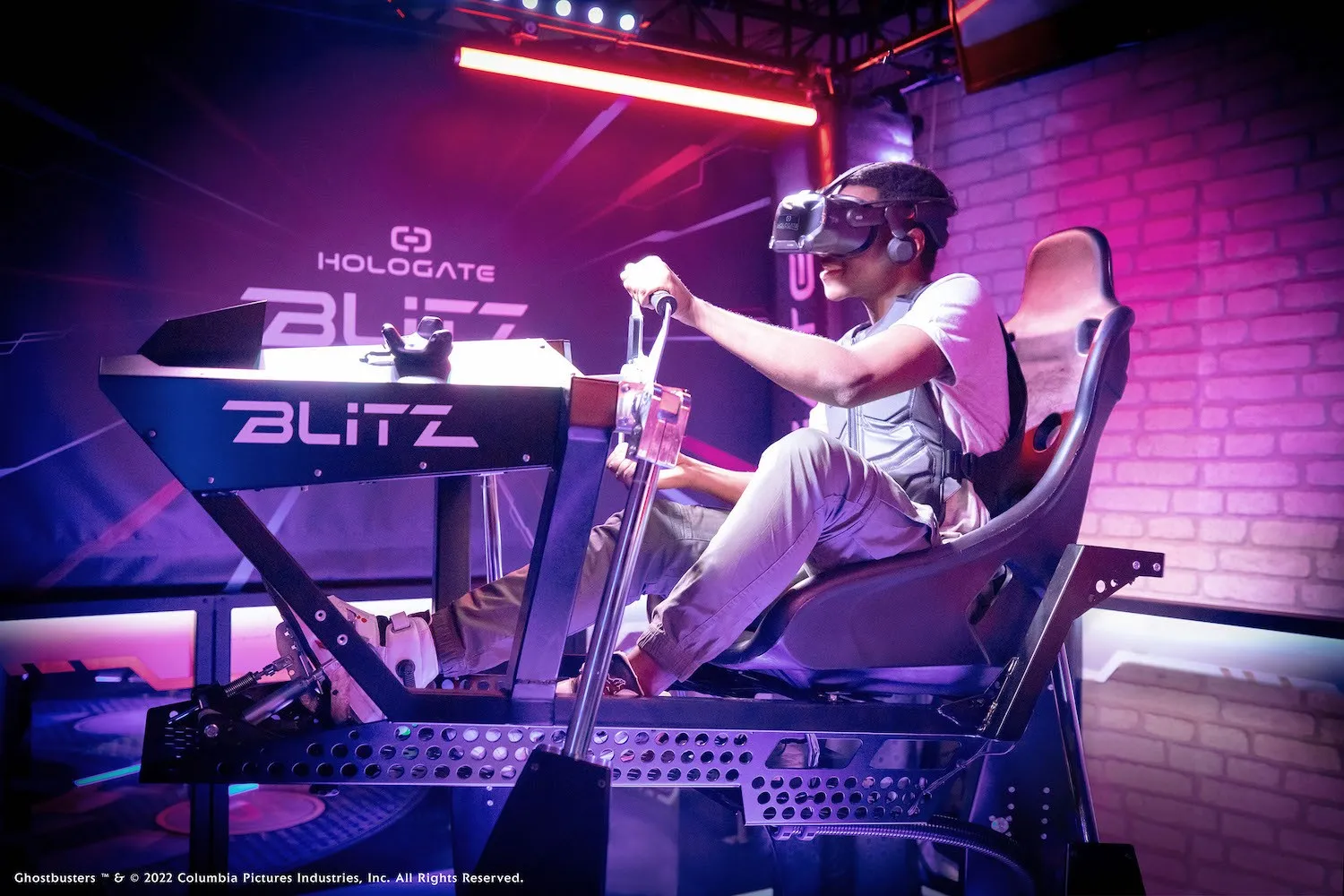
VR and AR are the cornerstones of immersion, evolving from clunky headsets to sleek, lightweight devices that fit seamlessly into our lives. The VR market alone is projected to hit $19.24 billion this year, up 15.3% from 2024, thanks to stand-alone headsets like Meta’s Quest 3 and Apple’s Vision Pro, which blend high-res graphics with intuitive controls.
AR, meanwhile, overlays digital elements onto the real world, creating hybrid experiences that feel magical yet practical. Think Snap’s fifth-gen Spectacles, which offer a 46-degree field of view for developers building AR apps, or Mayo Clinic’s mixed-reality surgeries where AR goggles guide precise incisions in real-time. Haptic tech is another game-changer—wearable gloves from Contact CI simulate textures like raindrops or fabric, making virtual interactions tactile and immersive. These advancements aren’t just fun; they’re slashing development times in industries like fashion, where New Balance now prototypes shoes in VR in just seven days instead of 45.
The Evolving Metaverse
The metaverse—once hyped as a utopian digital universe—has matured into a practical ecosystem of interconnected virtual spaces. By 2025, its global market is on track for explosive growth, with projections reaching $6,240.70 billion by 2035 at a staggering 45.3% CAGR. In Southeast Asia, adoption is surging at 40% annually through 2033, fueled by e-commerce and social platforms.
Forget empty avatars wandering barren landscapes; today’s metaverse thrives on “industrial” applications like digital twins—virtual replicas of physical assets for real-time monitoring. Netflix’s upcoming House experiences, launching physical venues that gateway into AR-enhanced virtual worlds, exemplify this blend. Sports arenas like SoFi Stadium are integrating Snapchat AR for fan interactions that spill from screens into seats. And with edge AI optimizing multi-user sessions, lag-free collaboration in virtual boardrooms is now standard, redefining remote work.
AI’s Role in Personalizing Immersive Worlds
AI is the secret sauce making immersion feel eerily personal. Multimodal models—processing text, images, audio, and video—power dynamic environments that adapt in real-time to your mood or gaze. At NVIDIA’s GTC 2025, demos showcased AI letting users “walk around” streaming videos in 3D, turning passive viewing into active exploration.
Agentic AI takes it further, creating autonomous “virtual coworkers” for tasks like factory repairs or collaborative brainstorming in VR. In gaming, Epic Games’ Unreal Engine 5.2 uses AI to generate lifelike NPCs and 360-degree skyboxes from simple text prompts. For events, interactive AI avatars sync voice and gestures for hyper-real conversations, boosting engagement in virtual festivals like Tribeca’s Immersive program. The result? Experiences that aren’t just immersive—they’re intuitive, evolving with you, though they demand careful handling of privacy and bias.
Real-World Impacts and Applications
These trends aren’t confined to labs; they’re transforming industries and sparking debates about their double-edged sword.
Revolutionizing Industries
In healthcare, AR-guided surgeries and VR therapy simulations are saving lives and cutting costs—immersive training alone could boost productivity by 60% in complex fields. Retail is booming with metaverse showrooms, where AI shopping assistants let you “try before you buy” in virtual stores, projecting a $144.17 billion immersive experience market by year’s end. Education benefits too, with VR field trips to historical sites or AI-personalized lessons that feel like one-on-one tutoring.
Energy and manufacturing see AR goggles aiding wind farm maintenance via satellite-linked diagnostics, minimizing downtime. Even space tech uses immersive AR for debris tracking, turning abstract data into intuitive visualizations.
Societal Challenges
But this blurring isn’t without pitfalls. Addiction risks loom as digital worlds become hyper-engaging, potentially exacerbating isolation—studies show trust in AI firms has dipped to 53% amid privacy fears. Ethical dilemmas arise too: Who owns your digital avatar? How do we prevent bias in AI-curated realities? Scaling infrastructure, like power-hungry data centers, poses environmental hurdles, with demand surging 33% annually through 2030. Regional gaps persist, with adoption lagging in areas like Africa due to costs and connectivity.
The Future of Blurred Realities
Looking ahead, 2025 marks a tipping point: Immersive tech shifts from experimentation to scaling, with 70% of data centers AI-ready by 2030 supporting richer experiences. Expect quantum boosts for ultra-real simulations and stricter regs like the EU AI Act to ensure ethical use. By blending physical gateways (like Netflix House) with seamless digital layers, we’ll see “phygital” lives where reality and virtual coexist. The challenge? Harnessing this for good—fostering connection without losing our grip on the tangible. As one expert puts it, we’re not just blurring lines; we’re redrawing the map of human experience.
FAQs
What exactly are immersive experiences?
Immersive experiences use tech like VR, AR, and AI to create environments that engage multiple senses, making digital interactions feel as real as physical ones—think walking through a virtual museum or collaborating in a metaverse office.
How is the metaverse changing in 2025?
It’s evolving from hype to utility, focusing on industrial tools like digital twins and regional booms in places like Southeast Asia. Expect more interconnected, AI-enhanced spaces for work, shopping, and entertainment.
Are there risks to these blurring realities?
Yes—issues like privacy erosion, digital addiction, and ethical biases in AI. Responsible innovation, including transparent governance, is key to mitigating them.
Which industries will benefit most from immersive tech?
Healthcare (for training and surgery), retail (virtual try-ons), manufacturing (prototyping), and education (interactive learning) are leading the charge, with massive efficiency gains.
What’s next for AI in immersion?
AI will drive hyper-personalization, like real-time adaptive environments and lifelike avatars, but expect focus on trust-building features to address growing concerns.