Introduction
As we approach 2026, the digital landscape is evolving at an unprecedented pace. From artificial intelligence reshaping everyday work to quantum computing unlocking new frontiers in problem-solving, the trends emerging now promise to redefine industries, economies, and societies. Drawing from recent analyses and discussions, this article explores the key digital trends set to dominate 2026 and beyond. These innovations aren’t just technological—they’re about enhancing human potential, driving sustainability, and navigating ethical challenges in a hyper-connected world.
The Rise of Agentic AI and Intelligent Systems
Agentic AI, where systems act autonomously to achieve goals, is poised to transform productivity. By 2026, AI agents could automate up to 70% of routine tasks, allowing humans to focus on creativity and strategy. This shift includes AI-native operating systems and intelligent wearables that anticipate user needs, such as brain-computer interfaces for seamless interaction.
In workplaces, AI-driven transformations will include humanoid robots in retail and logistics, and AI agents that hire, manage, and even “fire” other agents without human intervention. Discussions on platforms like X highlight how these agents will form their own ecosystems, potentially creating AI-founded companies. However, this raises questions about trust, with reputation systems for AI becoming as crucial as credit scores.
Privacy-First AI and Edge Computing
A key sub-trend is the emphasis on local processing to prioritize privacy. By 2026, edge AI chips will be ubiquitous, enabling devices to run sophisticated models without cloud dependency. This “local-first” approach will make privacy a luxury feature, with users paying premiums for AI that doesn’t share data. Smart edge devices from various vendors will need standardized protocols to create a cohesive ecosystem.
Quantum Computing Enters Practical Utility
Quantum computing is nearing a tipping point, moving from theoretical to utility-scale applications by 2026. It will revolutionize fields like drug discovery, climate modeling, and optimization problems that classical computers can’t handle efficiently.
In biotech, for instance, quantum tech combined with AI will accelerate personalized healthcare and predictive analytics. Economic forecasts suggest emerging markets like India and China will leverage quantum for digital investments, boosting global growth. Yet, challenges remain, including cybersecurity risks from quantum’s ability to break traditional encryption.
Sustainability and New Energy Solutions in Tech
Sustainability is no longer optional; it’s integral to digital innovation. By 2026, trends like AI-optimized energy systems and sustainable tech will dominate. Nuclear and renewable energy trends, fueled by AI, will support data centers’ massive power needs, with nuclear seeing renewed interest in sectors like HPC (high-performance computing).
E-commerce and fintech are aligning with this, projecting markets like fintech to reach $600 billion, driven by embedded finance and AI integration. Consumer behavior will shift toward eco-friendly products, with AI helping brands personalize sustainable offerings.
IoT 2.0 and Smart Infrastructure
The next evolution of IoT will create “smart infrastructure,” integrating AI for real-time monitoring in cities, homes, and industries. This includes AI-powered home assistants and predictive maintenance in supply chains, reducing waste and enhancing efficiency.
Blockchain, Web3, and Decentralized Futures
Blockchain will underpin decentralized finance (DeFi), tokenized real-world assets (RWAs), and on-chain identities. By 2026, trends like Bitcoin-backed digital credit and cross-chain workflows will mature, with platforms like Ethereum as data coordinators and Solana for high-speed execution.
In banking, hyper-personalization via AI and blockchain will enhance security, with RBI mandates like 2FA becoming standard. Crypto trends point to M&A in Bitcoin treasury companies, signaling broader adoption.
Extended Reality (XR) and the Metaverse Evolution
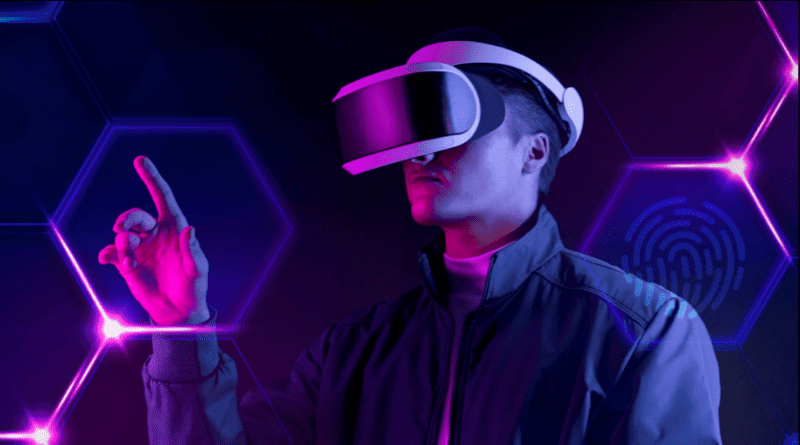
AI-crafted XR experiences, including AR glasses replacing screens, will blur digital and physical worlds. By 2026, design will shift from pixels to immersive presence, with Web3 gaming and metaverse applications leading. Apple’s iPhone 18 and potential Android PCs highlight hardware innovations supporting this.
Cybersecurity in an AI-Driven World
With AI’s rise comes heightened risks. Emerging trends include AI-driven cyber forensics and privacy enhancements via blockchain. By 2026, regulations may challenge professional certifications as AI outperforms humans in tasks like diagnostics. Tools for detecting AI-generated content will spark an arms race, emphasizing robust defenses.
The Human Element: Ethics and Skills in a Digital Age
Amid tech dominance, a focus on humanity will emerge. Skills like “AI whispering”—effective human-AI collaboration—will be premium. Anti-AI movements may grow, but “human-only” education could become elite. Trends like low-code/no-code development will democratize tech, enabling non-coders to innovate.
FAQs
What is Agentic AI, and how will it impact daily life by 2026?
Agentic AI refers to autonomous systems that perform tasks independently. By 2026, it could handle 70% of routine work, from managing emails to hiring other AI, freeing humans for creative pursuits.
How will quantum computing change industries?
Quantum computing will solve complex problems in seconds, revolutionizing drug discovery, logistics, and finance. It’s expected to reach practical utility, boosting efficiency in data-heavy sectors.
Why is sustainability a key digital trend?
Tech’s energy demands are rising, so trends like AI-optimized renewables and sustainable e-commerce (projected at $8.1 trillion by 2026) will prioritize eco-friendly innovations to reduce environmental impact.
What role will blockchain play in 2026?
Blockchain will enable secure, decentralized systems for finance, identity, and assets. Trends like tokenized RWAs and cross-chain integrations will make it foundational for Web3 and crypto economies.
How can individuals prepare for these trends?
Focus on skills like AI collaboration and ethical tech use. Stay updated via resources from experts, and consider upskilling in areas like prompt engineering or privacy-focused tech.