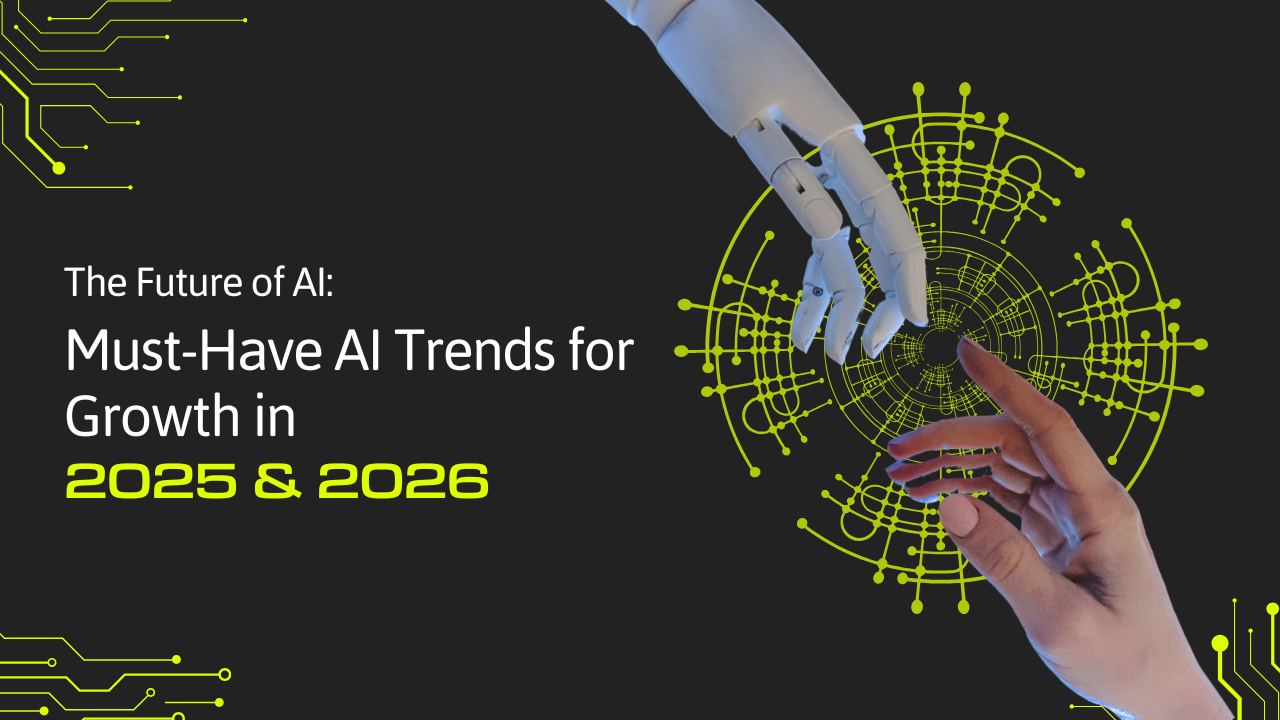

As we step into 2025, the pace of innovation feels more exhilarating than ever. From smarter AI companions to eco-friendly energy sources, breakthrough technologies are reshaping our world in ways that once seemed like science fiction. These advancements aren’t just lab experiments—they’re poised to solve pressing global challenges, boost efficiency, and enhance everyday life. In this article, we’ll dive into some of the most promising technologies on the horizon, exploring their potential and why they’re worth watching.
AI and Machine Learning: Smarter, Smaller, and More Autonomous
Artificial intelligence continues to dominate headlines, but 2025 brings a shift toward more efficient and versatile systems. Gone are the days of bloated models; instead, we’re seeing leaner tech that’s just as powerful.
Small Language Models: Power in a Petite Package
Imagine AI that’s as capable as the giants but runs on your phone without draining the battery. Small language models (SLMs) are compact versions of large language models, trained on fewer parameters yet excelling in specific tasks like translation or customer service. These nimble tools democratize AI by making it accessible for edge devices, reducing costs and energy use. As MIT notes, SLMs are proving they can rival their larger counterparts, paving the way for widespread adoption in apps and gadgets.
Fast-Learning Robots: The Rise of Versatile Automatons
Robots are evolving from rigid assembly-line workers to quick-study helpers. Thanks to generative AI, these machines now learn new tasks in hours rather than months, adapting to unfamiliar environments like warehouses or homes. This could revolutionize industries from manufacturing to elder care, where robots handle diverse chores on the fly. With companies scaling up production, we’re on the cusp of a robotic workforce that’s as flexible as humans.
Energy Innovations: Sustainable Power for a Greener Future
Climate change demands bold energy solutions, and 2025 delivers with tech that harnesses nature and reimagines nuclear power.
Advanced Nuclear Technologies: Safer and Scalable Atomic Energy
Nuclear power is getting a modern makeover with small modular reactors (SMRs) and innovative fuels that promise lower costs and minimal waste. These compact plants can be factory-built and deployed flexibly, providing clean baseload energy for cities and data centers alike. The World Economic Forum highlights how SMRs could accelerate the shift to fusion, offering a reliable alternative to fossil fuels without the meltdown fears of old.
Structural Battery Composites: Lighter EVs, Longer Range
What if your car’s body doubled as its battery? Structural battery composites integrate energy storage into lightweight materials, slashing vehicle weight and boosting range for electric cars and planes. This breakthrough could cut emissions dramatically by making transport more efficient. Experts predict it’ll transform aviation and automotive design, turning structural components into powerhouses.
Health and Biotech: Healing from Within
Biotechnology is blurring the line between medicine and engineering, offering treatments that work smarter and last longer.
Engineered Living Therapeutics: Bacteria as Tiny Drug Factories
Forget popping pills—imagine bacteria engineered to produce medicine inside your body on demand. These living therapeutics use modified microbes to treat chronic conditions like diabetes by releasing insulin precisely when needed. Cheaper and more targeted than traditional drugs, they’re a game-changer for personalized medicine. The WEF sees them as a cost-effective way to manage diseases long-term, potentially reaching millions in underserved areas.
Brain-Computer Interfaces: Mind Over Machine
Directly linking brains to computers sounds futuristic, but it’s here. Brain-computer interfaces (BCIs) like Neuralink’s implants allow users to control devices with thoughts, aiding those with paralysis or neurological disorders. In 2025, advancements in wireless tech and AI decoding are making them safer and more precise. MIT reports growing excitement around BCIs for restoring mobility and even enhancing cognition, though ethical questions loom large.
Climate Tech: Taming Emissions at the Source
Tackling global warming requires hitting emissions where they hurt most—agriculture and industry.
Cattle Burping Remedies: Methane on Mute
Cows’ burps contribute massively to greenhouse gases, but simple feed additives are slashing methane output by up to 30%. Now available in dozens of countries, these remedies could curb agriculture’s carbon footprint without changing diets or farming practices. As one of MIT’s top picks, this low-tech fix highlights how targeted innovations can yield big environmental wins.
Transportation: Autonomous Rides Redefined
Self-driving tech is finally hitting the streets, promising safer, greener mobility.
Robotaxis: Hail a Ride, No Driver Needed
After years of testing, robotaxis are going mainstream in cities worldwide. Services from Waymo and Cruise let you summon driverless cars via apps, reducing traffic deaths and urban congestion. Regulators are greenlighting expansions, setting the stage for fierce competition. MIT predicts this will disrupt ride-sharing, making autonomous transport as common as Uber.
Wrapping Up: A Brighter Horizon Ahead
These breakthrough technologies aren’t isolated wonders—they interconnect, amplifying each other’s impact. From AI powering smarter grids to biotech fueling healthier populations, 2025 could mark a tipping point toward a more sustainable, innovative era. Of course, challenges like regulation and equity remain, but the momentum is undeniable. Keep an eye on these developments; they hold the power to redefine tomorrow.
Frequently Asked Questions (FAQs)
What makes small language models a big deal for everyday users?
SLMs bring AI’s smarts to budget devices, enabling features like real-time translation or personalized assistants without cloud dependency, making tech more inclusive and private.
How will advanced nuclear technologies help combat climate change?
By providing carbon-free energy at scale, SMRs can replace coal plants and support renewables, potentially cutting global emissions by gigatons while ensuring energy security.
Are brain-computer interfaces safe for widespread use?
Early trials show promise, but challenges like surgical risks and data privacy persist. Ongoing improvements aim for non-invasive versions to broaden access safely.
Can cattle burping remedies really make a dent in global warming?
Yes—agriculture accounts for 14% of emissions, and widespread adoption could reduce methane by billions of tons annually, a quick win for climate action.
When will robotaxis be available in my city?
It varies, but major hubs like San Francisco and Austin already offer them. Expansions to Europe and Asia are underway, with full rollout expected in the next 2-3 years.
9 web pages