In an era where our lives are increasingly intertwined with digital ecosystems—from online banking to virtual realities—trust isn’t just a nice-to-have; it’s the invisible glue holding it all together. As we step into 2025, technologies like blockchain are evolving alongside cutting-edge innovations in AI and cryptography, reshaping how we verify authenticity, secure data, and collaborate without intermediaries. According to McKinsey’s technology trends outlook, as these tools become more powerful and personal, trust serves as the ultimate gatekeeper to widespread adoption. This article dives into blockchain’s foundational role in building digital confidence and explores the “beyond” trends pushing the boundaries of trust even further.
The Foundation: Blockchain’s Enduring Impact on Trust
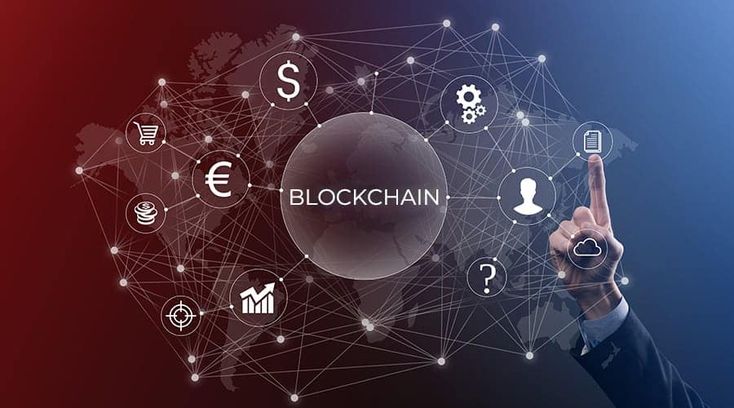
Blockchain technology burst onto the scene over a decade ago with Bitcoin, but by 2025, it’s no longer just about cryptocurrencies—it’s the bedrock for transparent, tamper-proof systems across industries. At its core, blockchain is a distributed ledger that records transactions across a network of computers, ensuring that once data is added, it can’t be altered without consensus from the group. This immutability fosters trust by eliminating the need for a central authority, like a bank or government, to vouch for the truth.
Enterprise Adoption: From Niche to Mainstream
One of the hottest blockchain trends in 2025 is its seamless integration into enterprise operations. Companies in supply chains, healthcare, and even government services are deploying private and permissioned blockchains to streamline processes while staying compliant with regulations. For instance, integrating blockchain with ERP and CRM systems provides real-time visibility, reducing errors and fraud. In government applications, like secure digital voting or identity verification, it minimizes tampering risks, building public confidence through verifiable records.
Central Bank Digital Currencies: Government-Backed Trust
Governments worldwide are accelerating the rollout of Central Bank Digital Currencies (CBDCs), with nations like the US, UK, India, and China leading the charge. These digital fiat currencies promise faster cross-border payments and greater financial inclusion by cutting out middlemen. By offering a stable, regulated alternative to volatile cryptos, CBDCs enhance trust in everyday transactions, making digital money as reliable as cash in your wallet.
AI Meets Blockchain: Smarter, Safer Systems
The fusion of blockchain and AI is a game-changer, powering “smart” smart contracts that adapt to real-time data and detect fraud on the fly. Imagine AI analyzing supply chain anomalies or automating insurance claims with ironclad security—blockchain ensures the AI’s decisions are logged immutably, holding the system accountable. This synergy not only boosts efficiency but also reassures users that their data and assets are protected against manipulation.
Beyond the Chain: Emerging Trends Redefining Digital Trust
While blockchain lays the groundwork, 2025’s digital landscape is buzzing with complementary trends that amplify trust through privacy, autonomy, and resilience. These innovations address blockchain’s limitations, like scalability and energy use, while tackling broader challenges in AI and cybersecurity.
Agentic AI: Autonomous Agents with Guardrails
Gone are the days of simple chatbots; agentic AI in 2025 refers to systems that plan, decide, and act independently across workflows in healthcare, sales, and manufacturing. McKinsey highlights how these agents demand robust governance to maintain ethical standards and transparency. For trust to flourish, businesses are layering in blockchain for auditable decision trails, ensuring that AI’s “black box” decisions can be traced and verified—preventing mishaps that could erode user confidence.
Post-Quantum Cryptography: Fortifying Against Future Threats
Quantum computing looms as a potential disruptor, capable of cracking today’s encryption in seconds. Enter post-quantum cryptography (PQC), a 2025 must-have that’s transitioning organizations to quantum-resistant algorithms. With 97% of firms already hit by AI-related breaches, PQC safeguards sensitive data in finance and government, blending with hybrid models for seamless security. This proactive stance rebuilds trust by future-proofing digital interactions against evolving cyber risks.
Decentralized Identity: You Own Your Data
Privacy warriors rejoice: Decentralized Identity (DID) solutions let users control their personal info via blockchain, ditching centralized databases prone to hacks. Compliant with regs like GDPR, DID enables self-sovereign credentials for everything from logins to job verifications, slashing identity theft. By empowering individuals over corporations, it shifts trust from institutions to verifiable, user-centric proofs.
Sustainable Tech: Green Innovations for Ethical Trust
Sustainability isn’t just buzz—it’s a trust multiplier. Blockchain’s shift to energy-efficient Proof-of-Stake (PoS) models, paired with AI-optimized green data centers, tracks carbon footprints transparently. As nuclear-powered AI data centers emerge to fuel massive compute needs, transparent safety protocols are key to quelling public skepticism. These eco-friendly strides appeal to conscious consumers, proving that innovation can be both powerful and principled.
Challenges and the Path Forward
No trend is without hurdles. Scalability bottlenecks in blockchain, ethical dilemmas in agentic AI, and the steep learning curve for PQC all pose risks to adoption. Regulatory fragmentation across borders could slow progress, while cyber threats evolve faster than defenses. Yet, the road ahead looks promising: Cross-chain interoperability is bridging siloed blockchains, DeFi 2.0 is maturing with institutional safeguards, and micro LLMs are enabling privacy-focused AI on local devices. By prioritizing ethical design and collaboration, these technologies can weave a more trustworthy digital fabric.
In 2025, blockchain and its companions aren’t just tools—they’re trust architects, turning skepticism into seamless reliance. As we navigate this hyper-connected world, embracing these trends means not only staying ahead but also safeguarding the human element at the heart of it all.
FAQs
What exactly is blockchain, and why does it build trust?
Blockchain is a decentralized digital ledger that records transactions across many computers, making alterations nearly impossible without group consensus. It builds trust by providing transparency and eliminating single points of failure, like in supply chain tracking where every step is verifiable.
How is AI changing the way we think about digital trust in 2025?
AI, especially agentic forms, automates complex tasks but raises accountability questions. Integration with blockchain for traceable decisions and governance frameworks ensures transparency, helping maintain user trust amid growing autonomy.
Are Central Bank Digital Currencies (CBDCs) safe and trustworthy?
Yes, CBDCs are backed by governments, offering stability and speed over traditional banking. They’re designed with robust security, reducing fraud risks and promoting inclusion, though adoption varies by country.
What role does post-quantum cryptography play in future-proofing trust?
PQC protects against quantum attacks that could shatter current encryption. By 2025, it’s essential for secure data in finance and beyond, restoring confidence in digital systems vulnerable to tomorrow’s tech threats.
How can individuals benefit from decentralized identity trends?
DID lets you control your personal data, sharing only what’s needed for verifications like travel or banking. It cuts down on data breaches and complies with privacy laws, giving you real ownership and peace of mind.